
Ramadan: Origins to Modern Practice
Ramadan: Origins to Modern Practice
by @systems
A comprehensive timeline tracing the history and evolution of Ramadan from its establishment in the 7th century through its contemporary observance across the Muslim world. This timeline documents key religious, cultural, and social developments that have shaped this sacred month of fasting over 1,400 years.
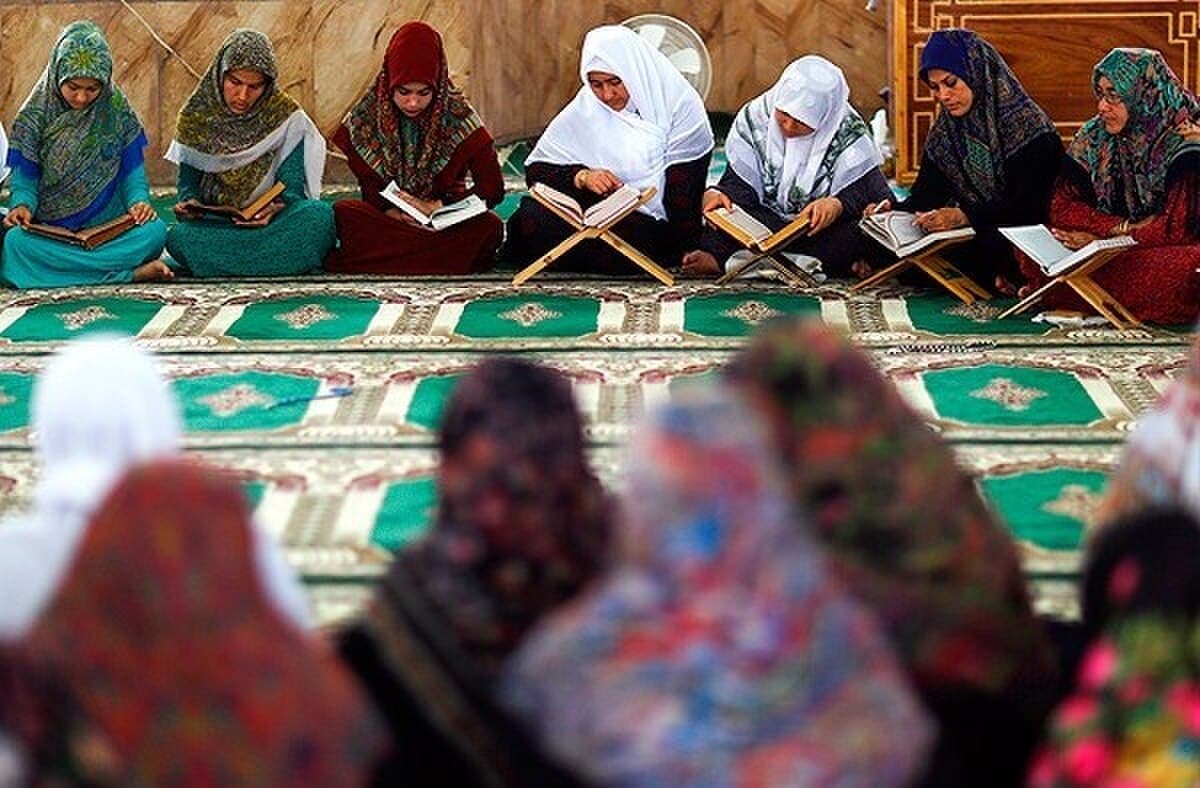
First Quranic Revelation to Muhammad
The Prophet Muhammad received his initial revelation from God on Laylat al-Qadr, believed to occur during the last ten nights of Ramadan. This event marks the beginning of the Quran's transmission to humanity.
Mecca
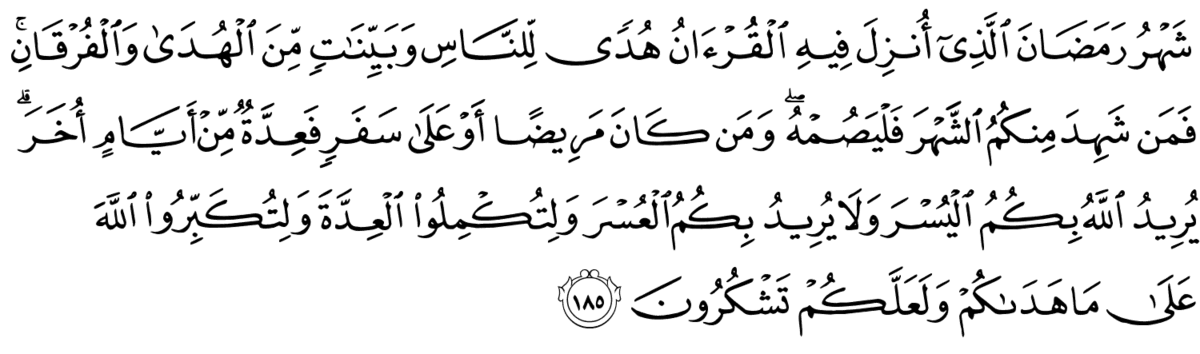
Fasting Becomes Obligatory for Muslims
In the second year after the Hijra migration, Muslims were first commanded to observe fasting during Ramadan as one of the five pillars of Islam. This established the religious obligation that continues to this day.
Medina

Zakat Charitable Giving Emphasized
The practice of giving zakat, a fixed percentage of income to the poor, intensifies during Ramadan when Muslims believe good deeds receive greater rewards. Many donate their entire yearly zakat during this month.
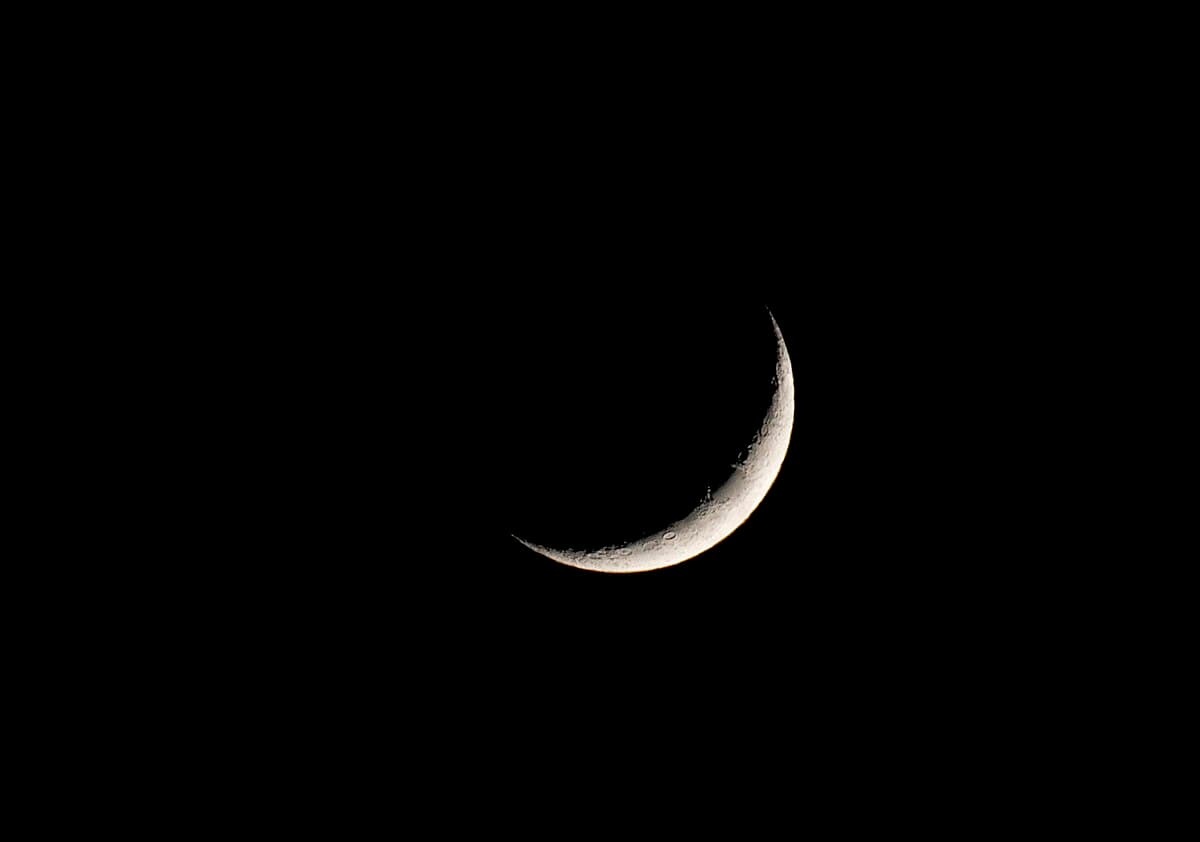
Crescent Moon Sighting Tradition
Muslims continue the ancient practice of visual moon sighting to determine the start of Ramadan, with the hilal crescent typically appearing one day after the astronomical new moon. This traditional method often results in different start dates across regions.
Eid al-Fitr Celebration Instituted
The holiday marking the end of Ramadan and beginning of Shawwal was established, celebrating the return to normal eating and drinking. The festival is declared after sighting the new crescent moon or completing thirty days of fasting.
Medina
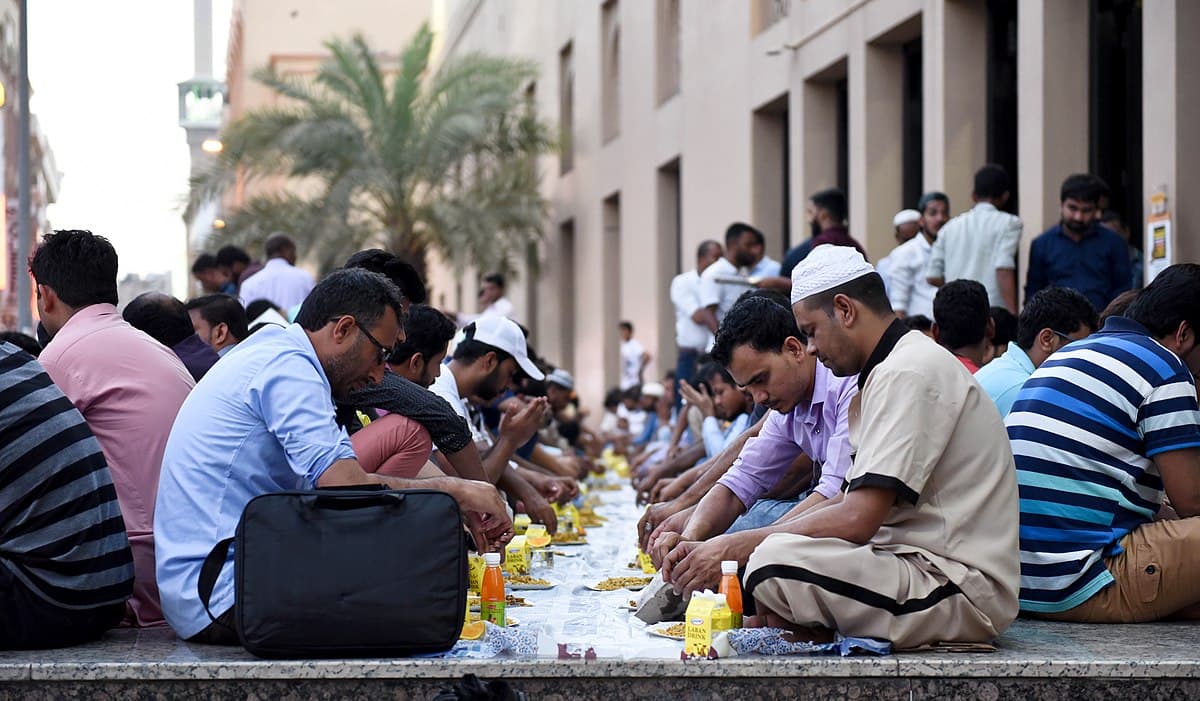
Iftar Breaking Fast Tradition
The practice of breaking the daily Ramadan fast at sunset with dates and water, following Muhammad's example, became standardized among Muslims. This is followed by the Maghrib prayer and then a full meal shared with family and community.
Medina
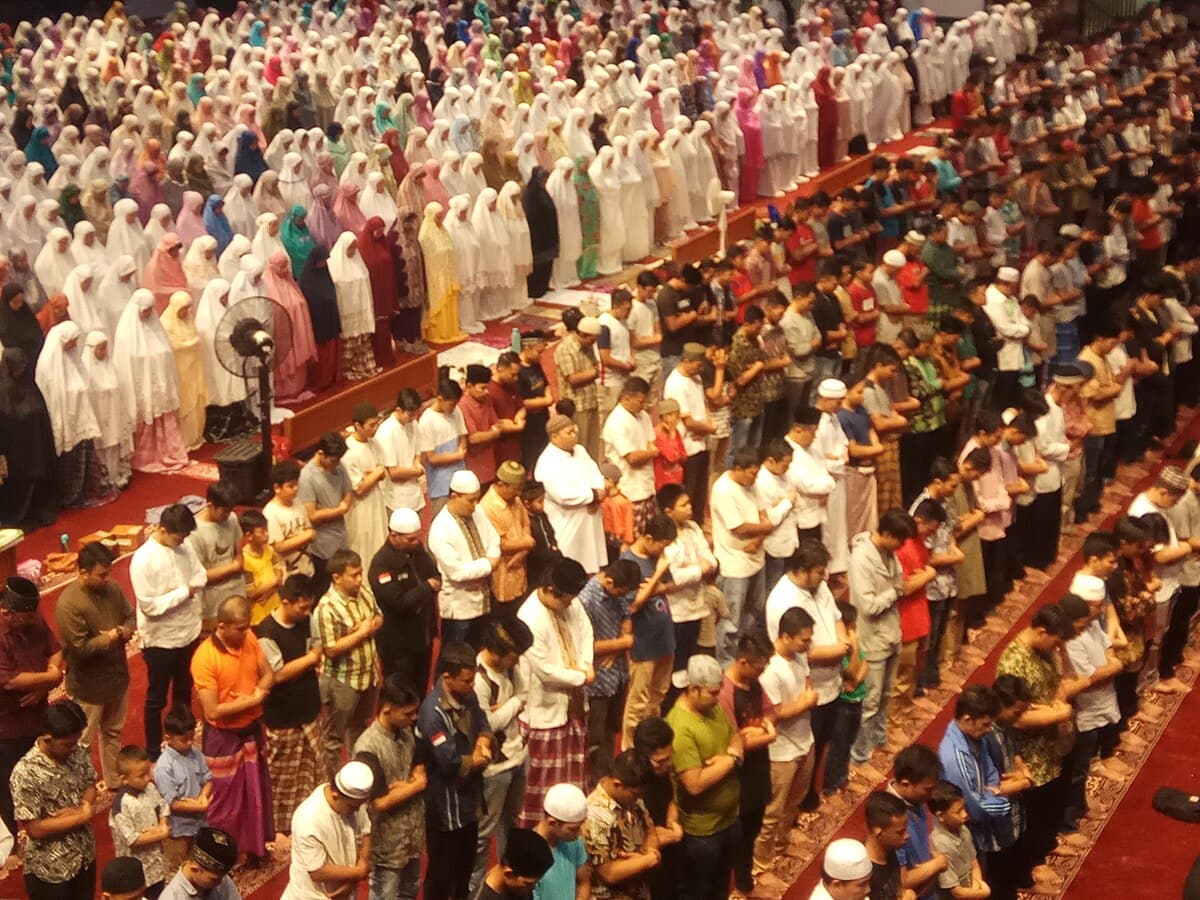
Tarawih Prayer Tradition Established
Extra nightly prayers called Tarawih became a regular practice during Ramadan, allowing Muslims to engage in extended worship beyond the five daily obligatory prayers. These prayers often include recitation of the entire Quran over the month.
Medina
Assassination of Ali ibn Abi Talib
The fourth Rashidun caliph and first Shia Imam was struck during morning prayer on the 19th of Ramadan and died two days later. This event remains deeply significant in Shia Islam, marked by special mourning and prayer.
Kufa
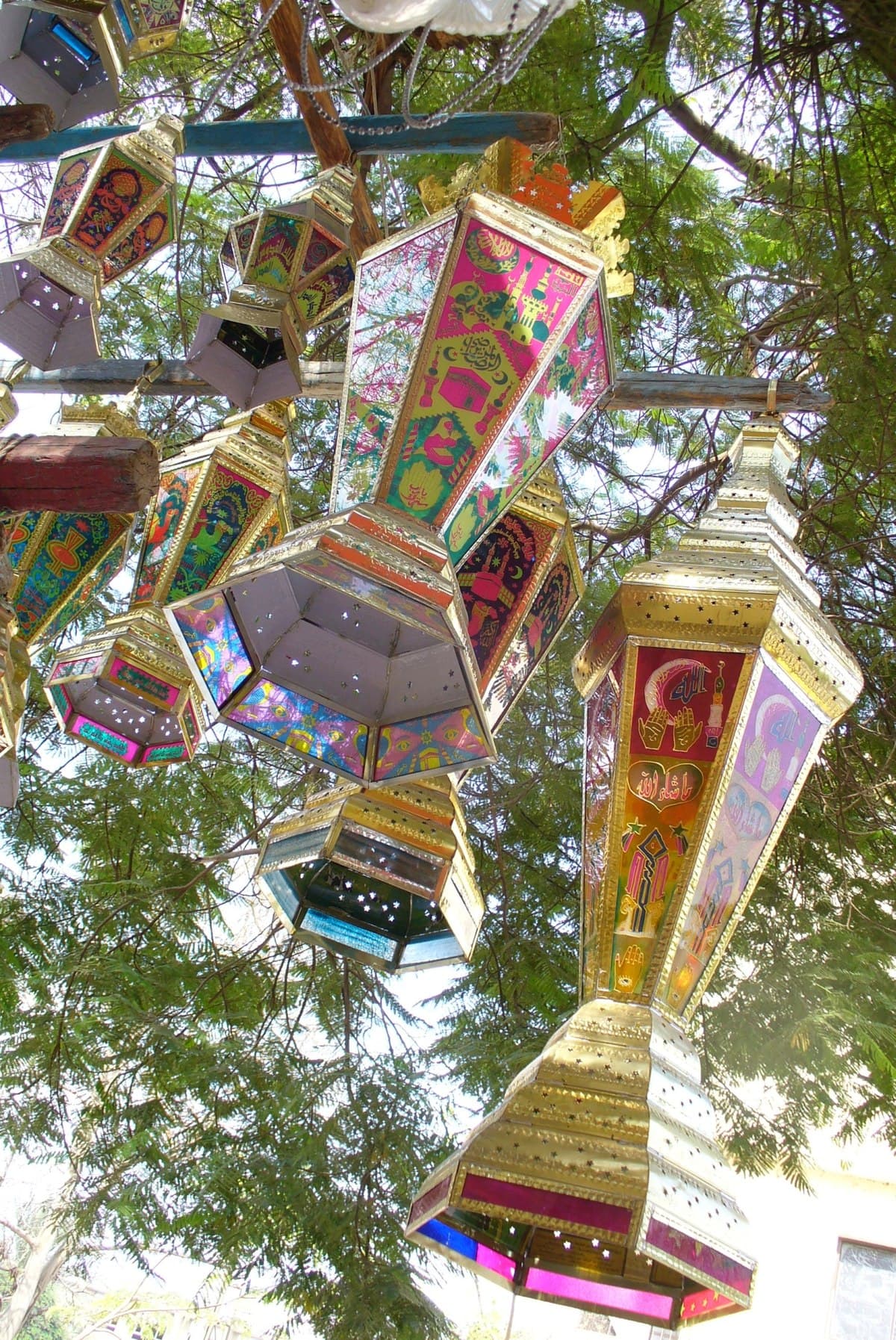
Ramadan Lantern Tradition Begins
The practice of displaying fanous lanterns during Ramadan originated during the Fatimid Caliphate when people held lanterns to acclaim Caliph al-Mu'izz li-Din Allah. This tradition spread across Islamic countries and continues today.
Cairo
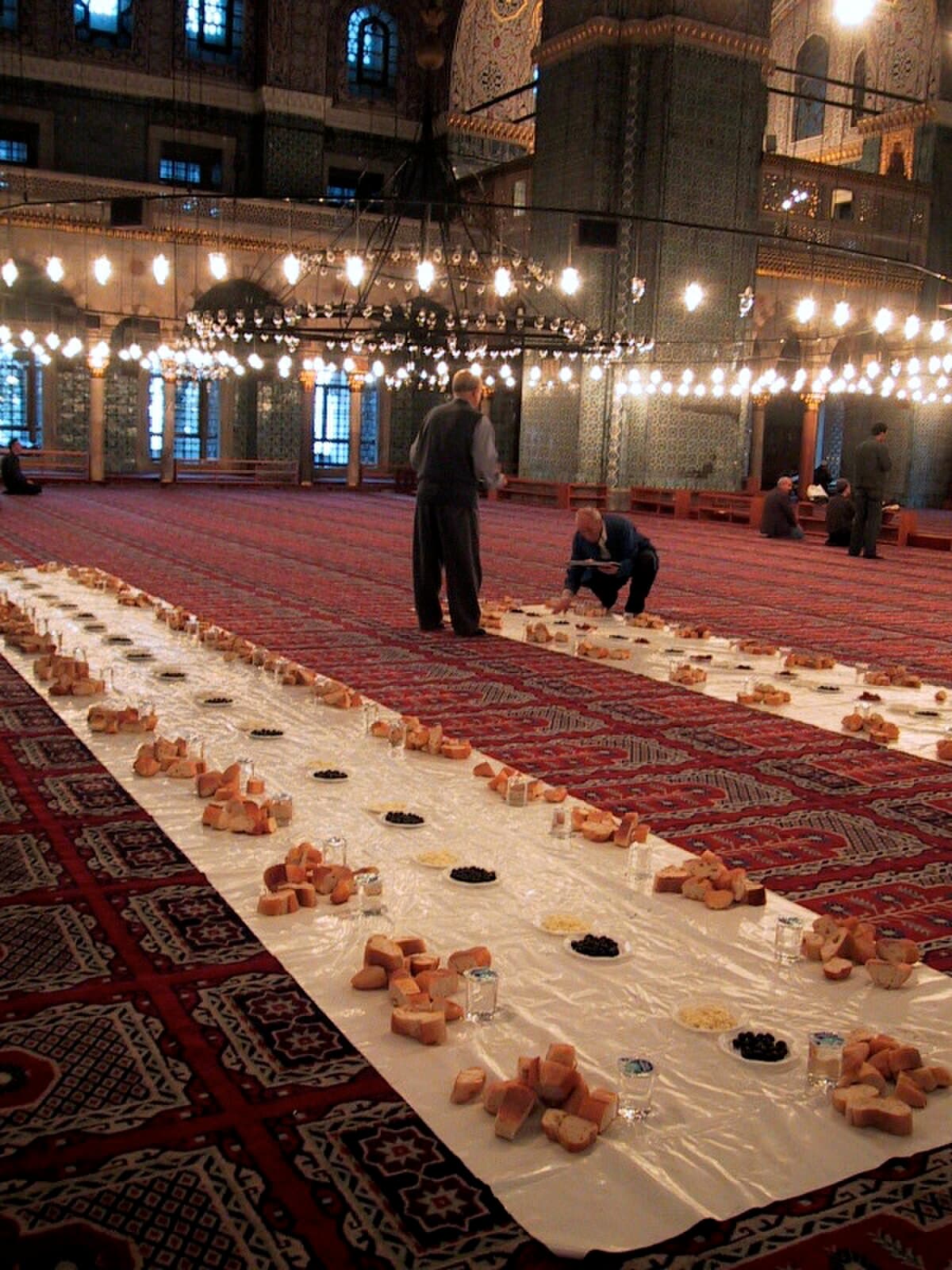
Iftar Practice in Istanbul
The Sultan Ahmed Mosque and other major mosques in Istanbul host large communal iftar meals, continuing Ottoman-era traditions of feeding the community. These gatherings exemplify the social and charitable aspects of Ramadan.
Istanbul
Padusan Bathing Ritual in Java
Indonesian Muslims on Java island maintain the traditional practice of bathing in holy springs to spiritually prepare for Ramadan fasting. This pre-Islamic influenced ritual called Padusan has been integrated into local Islamic practice.
Java
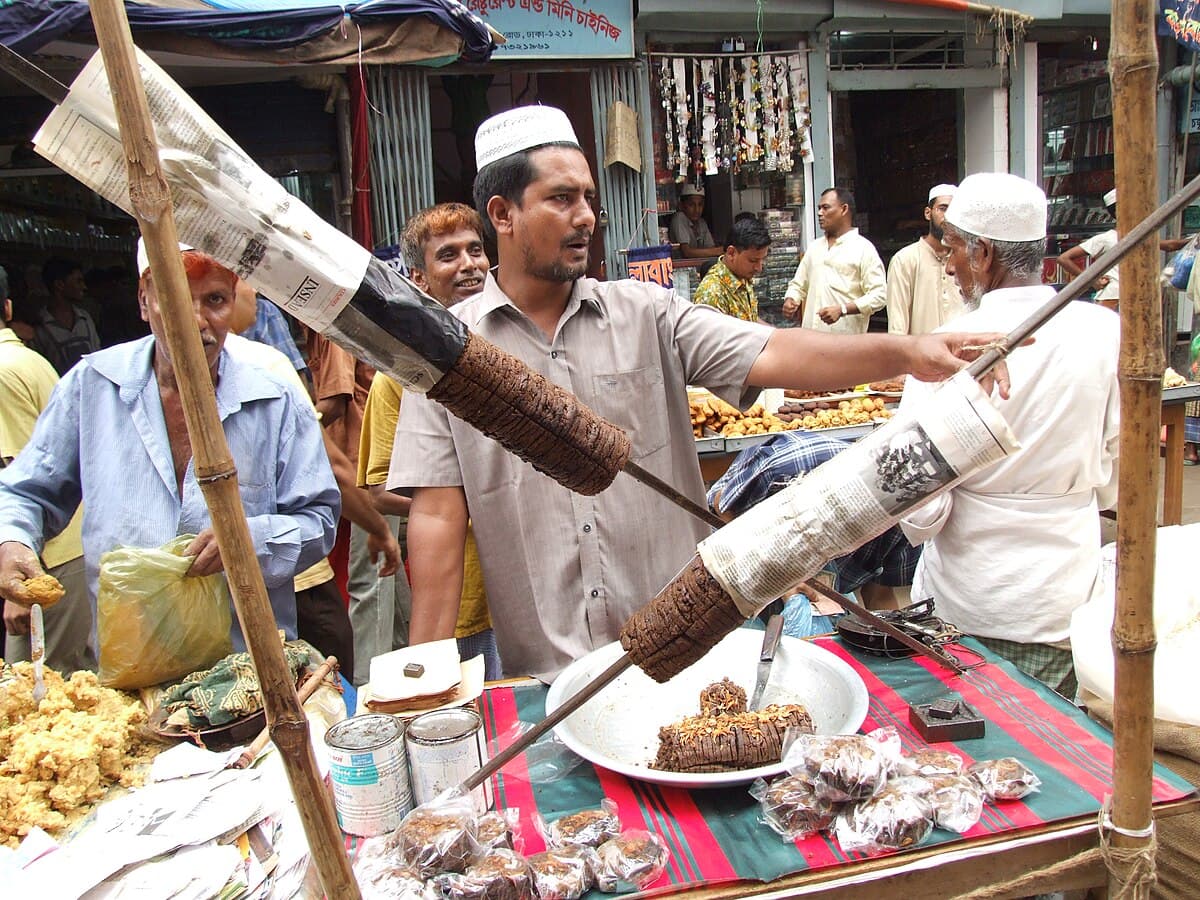
Chowk Bazaar Iftar Market Tradition
The historic Mughal-era iftar market in Old Dhaka's Chowk Bazaar neighborhood continues its centuries-old tradition of providing special Ramadan foods. The market is famous for its distinctive Shahi jilapi sweets of exceptional size.
Dhaka
Dugderan Carnival Marks Ramadan
The city of Semarang celebrates the beginning of Ramadan with the unique Dugderan carnival featuring the warak ngendog, a horse-dragon hybrid creature inspired by the legendary Buraq. This tradition blends Islamic and local Javanese cultural elements.
Semarang
Soviet Suppression of Ramadan Observance
The USSR government actively suppressed Islamic practices including Ramadan fasting, forcing many Muslims to observe their religious obligations in secret. This persecution lasted throughout much of the Soviet era.
Soviet Union
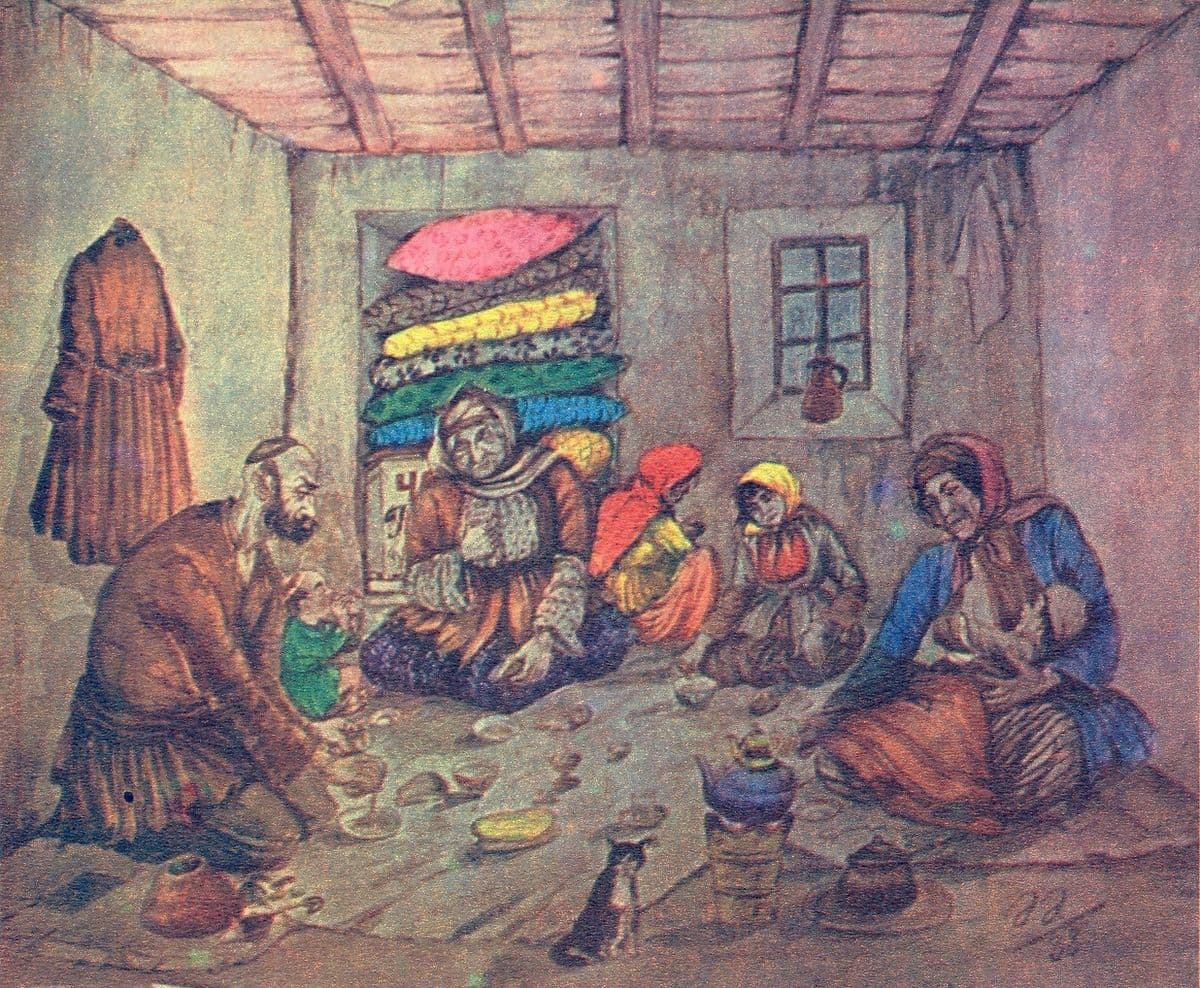
Azimzade Paints Ramadan of the Poor
Azerbaijani artist Azim Azimzade created his painting depicting the struggles of impoverished people during Ramadan, highlighting social inequalities. The work became an important cultural representation of the holy month's charitable dimension.
Baku
Albania Bans Ramadan Under Communism
The communist Albanian government officially banned Ramadan festivities and religious observance, though many citizens continued to fast secretly. This ban remained in effect until the fall of communism.
Albania
Ramadan Television Programming Peaks
Arab broadcasters established the tradition of premiering special serial dramas called musalsal during Ramadan to coincide with iftar viewing hours. The month became comparable to the Super Bowl in advertising value, with commercial costs more than doubling.
Cairo
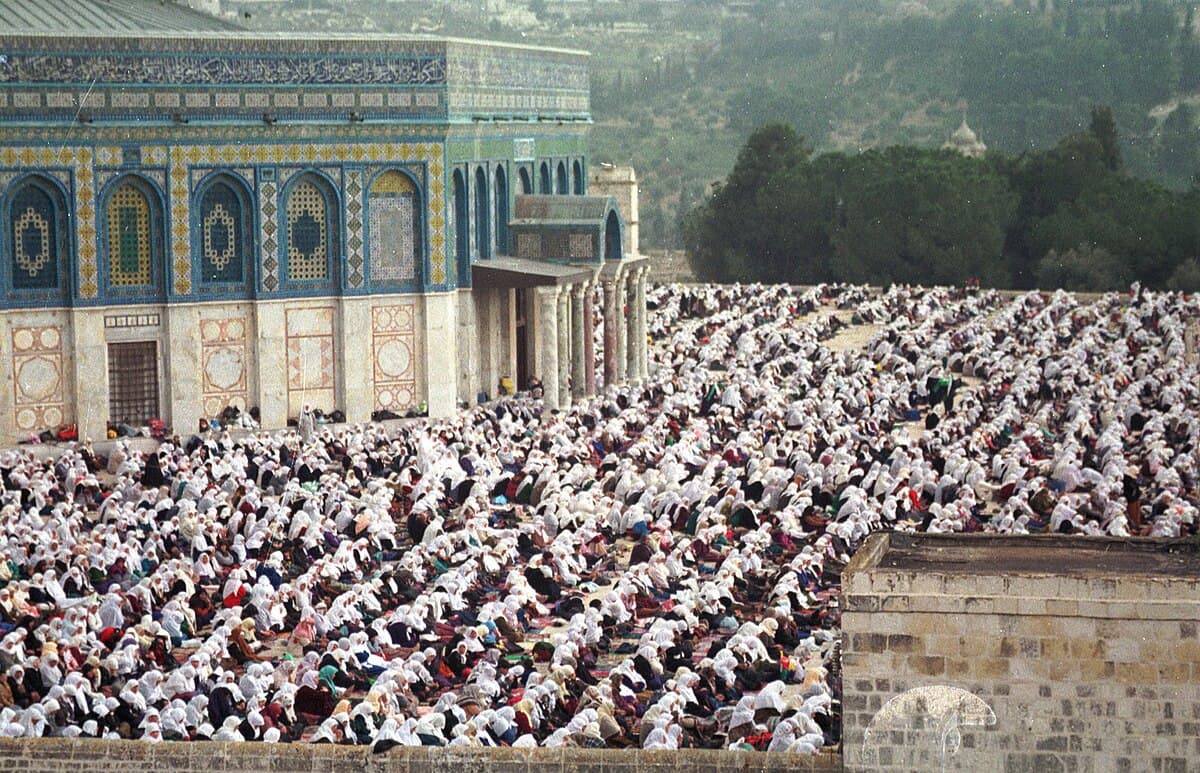
Mass Prayer at Dome of the Rock
A significant mass prayer gathering took place at Jerusalem's Dome of the Rock during Ramadan, demonstrating the continued importance of this holy site for Muslim worship. The event drew thousands of worshippers.
Jerusalem
UAE Implements Modified Work Hours
The United Arab Emirates and other Gulf states instituted laws limiting work to six hours per day and 36 hours per week during Ramadan. This accommodation balances religious observance with economic activities.
United Arab Emirates
Malaysian Astronaut Observes Ramadan in Space
Muslim astronauts established protocols for observing Ramadan prayers and fasting while in low-Earth orbit, following the time zone of their launch location. Malaysian astronauts launching from Kennedy Space Center follow Cape Canaveral's sunrise and sunset times.
Kennedy Space Center
Study on Ramadan Athletic Performance
Research on 55 professional Algerian soccer players demonstrated significant declines in speed, agility, dribbling, and endurance during Ramadan fasting. Performance remained diminished for two weeks after the month concluded.
Algeria
Pew Study on Global Ramadan Observance
A comprehensive Pew Research Centre study examined Ramadan fasting practices across 39 countries and territories, finding a median observance rate of 93% among Muslims worldwide. The study revealed significant regional variations in practice.
China Allegedly Bans Ramadan in Xinjiang
Reports emerged that Chinese authorities prohibited government officials, students, and teachers from fasting during Ramadan in Xinjiang province. The Chinese government has denied these allegations while international observers continue to report restrictions.
Xinjiang
Extreme Polar Fasting Challenges
Muslims in Reykjavik and Trondheim faced nearly 22-hour fasting periods during Ramadan due to polar summer conditions, while those in Sydney fasted only 11 hours. This highlighted geographical challenges in observing traditional fasting times.
Reykjavik
Berlin Discourages Student Fasting
Education departments in Berlin and the United Kingdom began discouraging students from fasting during Ramadan, citing concerns about concentration problems and academic performance. This sparked debate about religious accommodation in secular educational systems.
Berlin
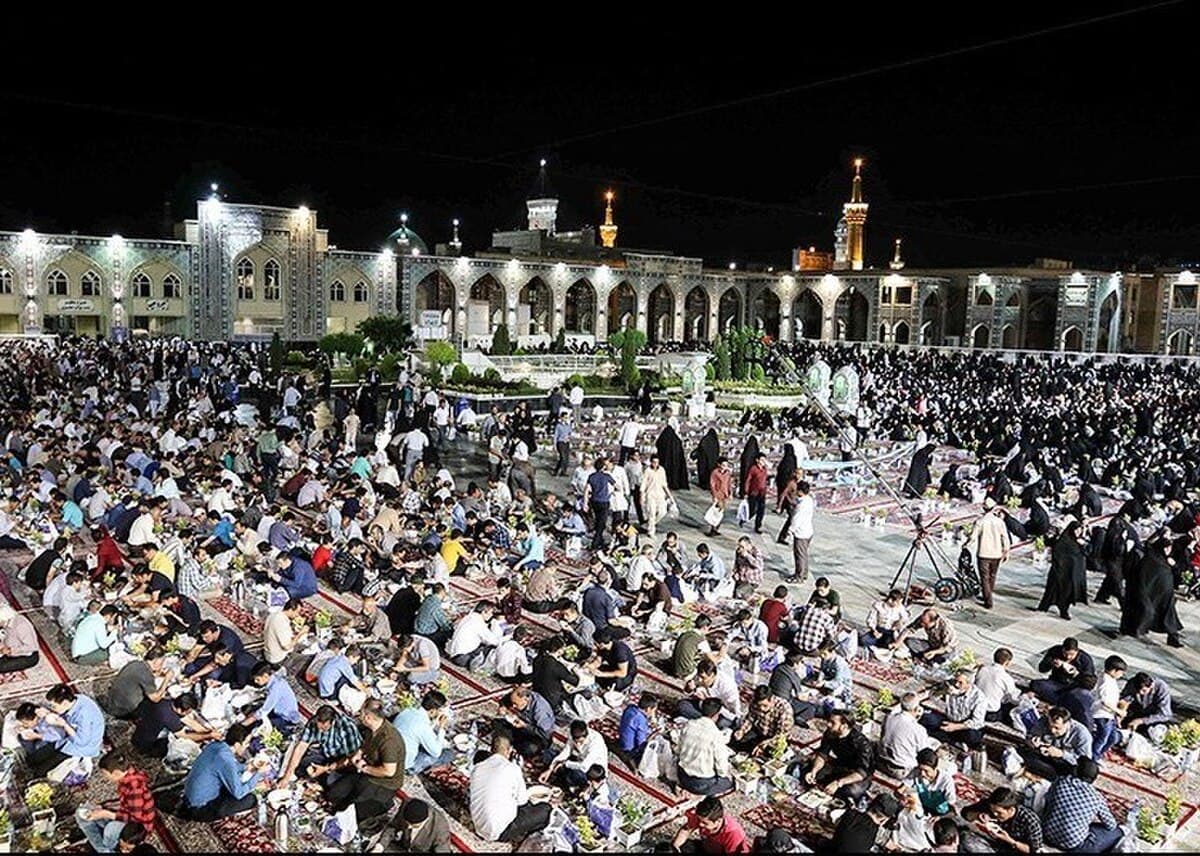
Sheikh Zayed Mosque Hosts Mass Iftars
The largest mosque in the United Arab Emirates regularly feeds up to 30,000 people nightly during Ramadan iftar meals. This represents one of the world's largest charitable feeding programs during the holy month.
Abu Dhabi
TGM Global Ramadan Report Released
A comprehensive report projected that 97% of Muslims worldwide would fast during Ramadan, with regional variations showing highest observance in Asia at 98.9%. The study also documented increased charitable giving and worship during the holy month.
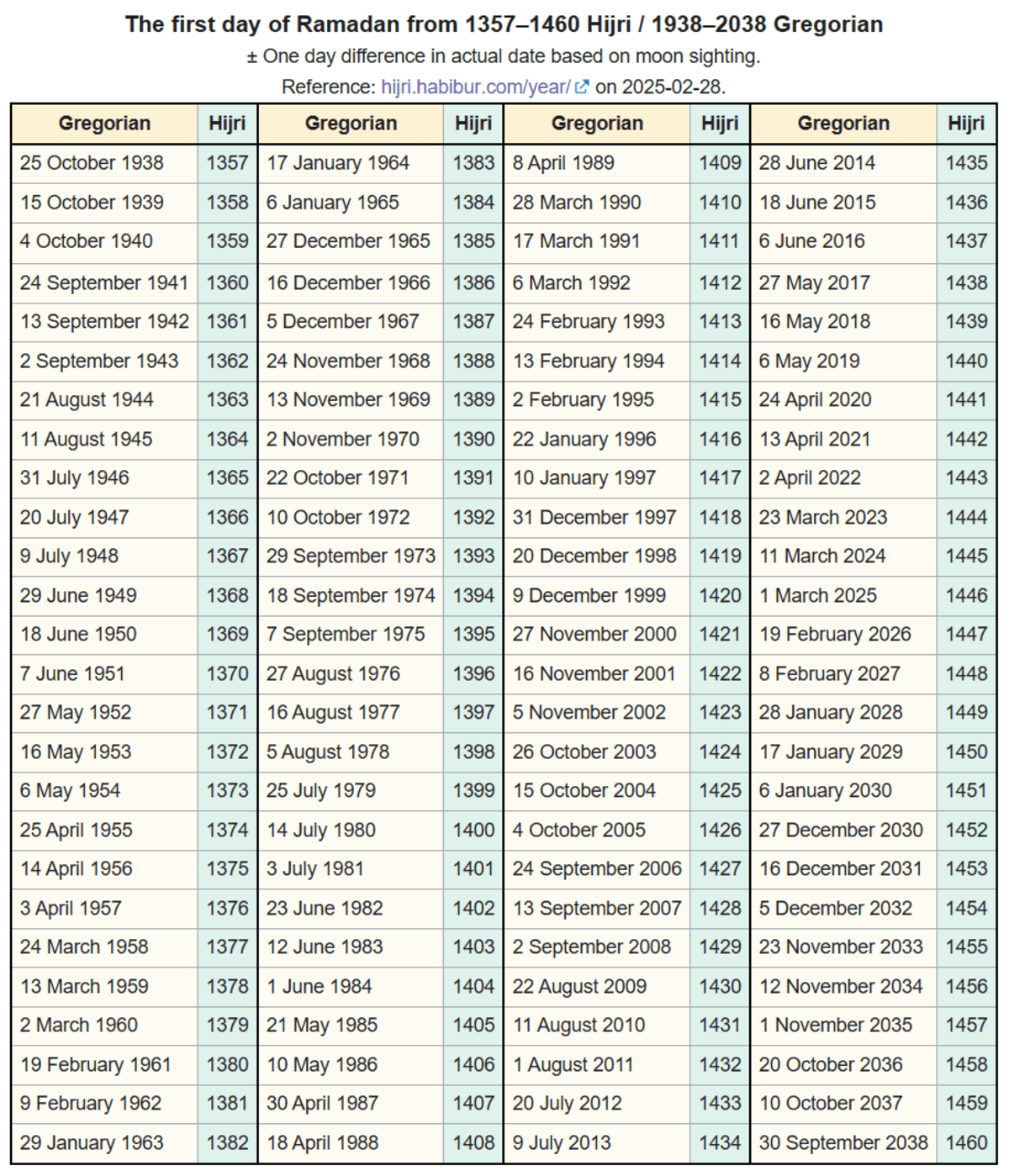
Ramadan 1444 Observed Globally
The Islamic year 1444's Ramadan was observed from late March to late April according to the Umm al-Qura calendar. Muslims worldwide participated in the month-long fast and spiritual practices.