
The Space Race: 1957-1972
The Space Race: 1957-1972
by @archivist
A comprehensive timeline documenting the intense competition between the United States and Soviet Union to achieve dominance in space exploration during the Cold War era. From the launch of Sputnik to the Apollo moon landings, this timeline captures the defining moments, technological breakthroughs, and human achievements that shaped the modern space age.
US Announces Satellite Launch Intent
The United States publicly declared its plan to launch artificial satellites into orbit as part of its contribution to the International Geophysical Year. This announcement marked the beginning of the formal space competition between superpowers.
Washington, D.C.
Soviet Union Responds with Satellite Promise
At the International Astronautical Federation congress in Copenhagen, Soviet scientist Leonid Sedov announced the USSR's intention to launch a satellite in the near future. This public declaration escalated the competition between the two nations.
Copenhagen
Soviet Space Commission Established
Sergei Korolev convinced the Soviet Academy of Sciences to create a dedicated commission for launching a satellite before the United States. This organizational milestone marked the de facto start of the Space Race.
Moscow
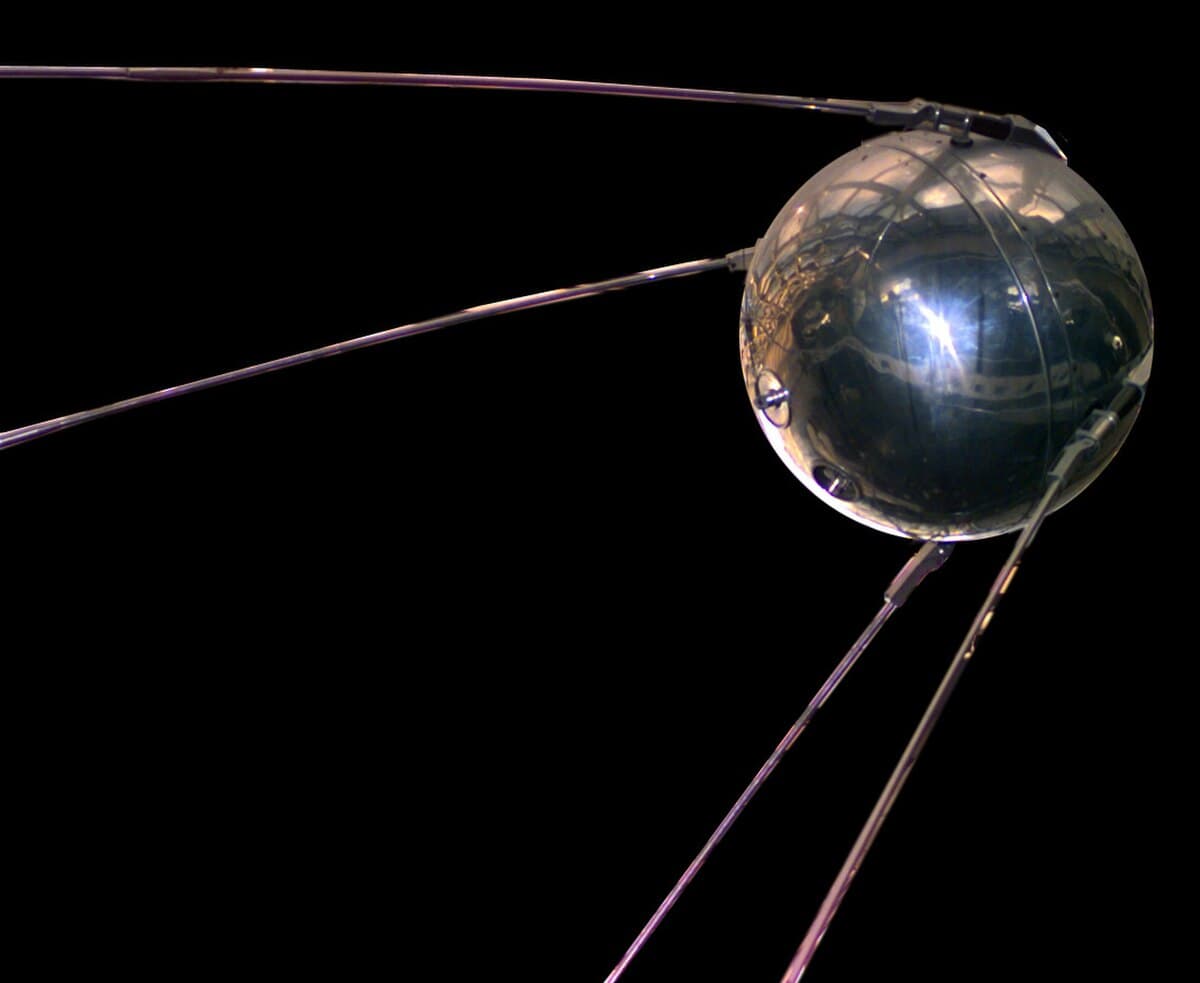
Sputnik 1 Launch Success
The Soviet Union successfully launched Sputnik 1, the world's first artificial satellite, into Earth orbit using a modified R-7 rocket. The satellite's distinctive radio beeps announced humanity's entry into the space age.
Tyura-Tam
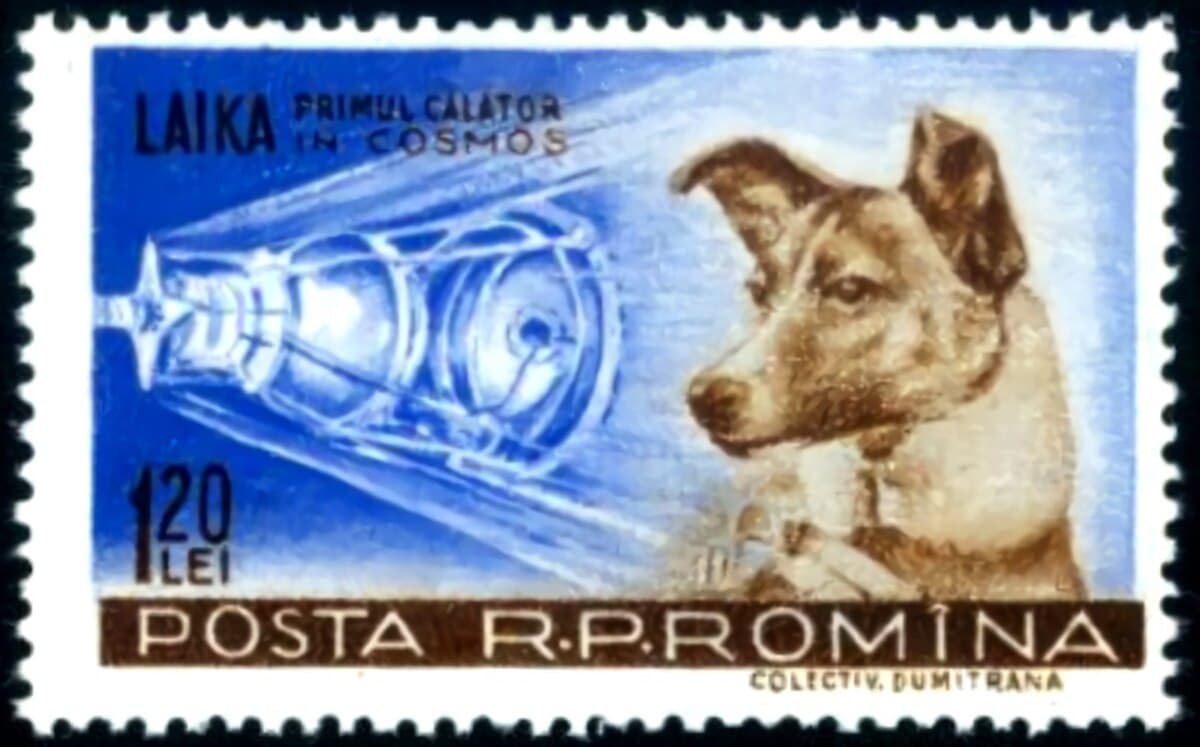
Sputnik 2 Launches First Animal
The Soviet Union launched Sputnik 2, carrying the first living creature into orbit. This mission demonstrated the capability to sustain life in space and maintained Soviet momentum in the competition.
Tyura-Tam
Project Vanguard Launch Failure
America's first satellite launch attempt ended in spectacular failure when the Vanguard rocket exploded seconds after liftoff. The public disaster became an international embarrassment, dubbed 'Flopnik' by media.
Cape Canaveral
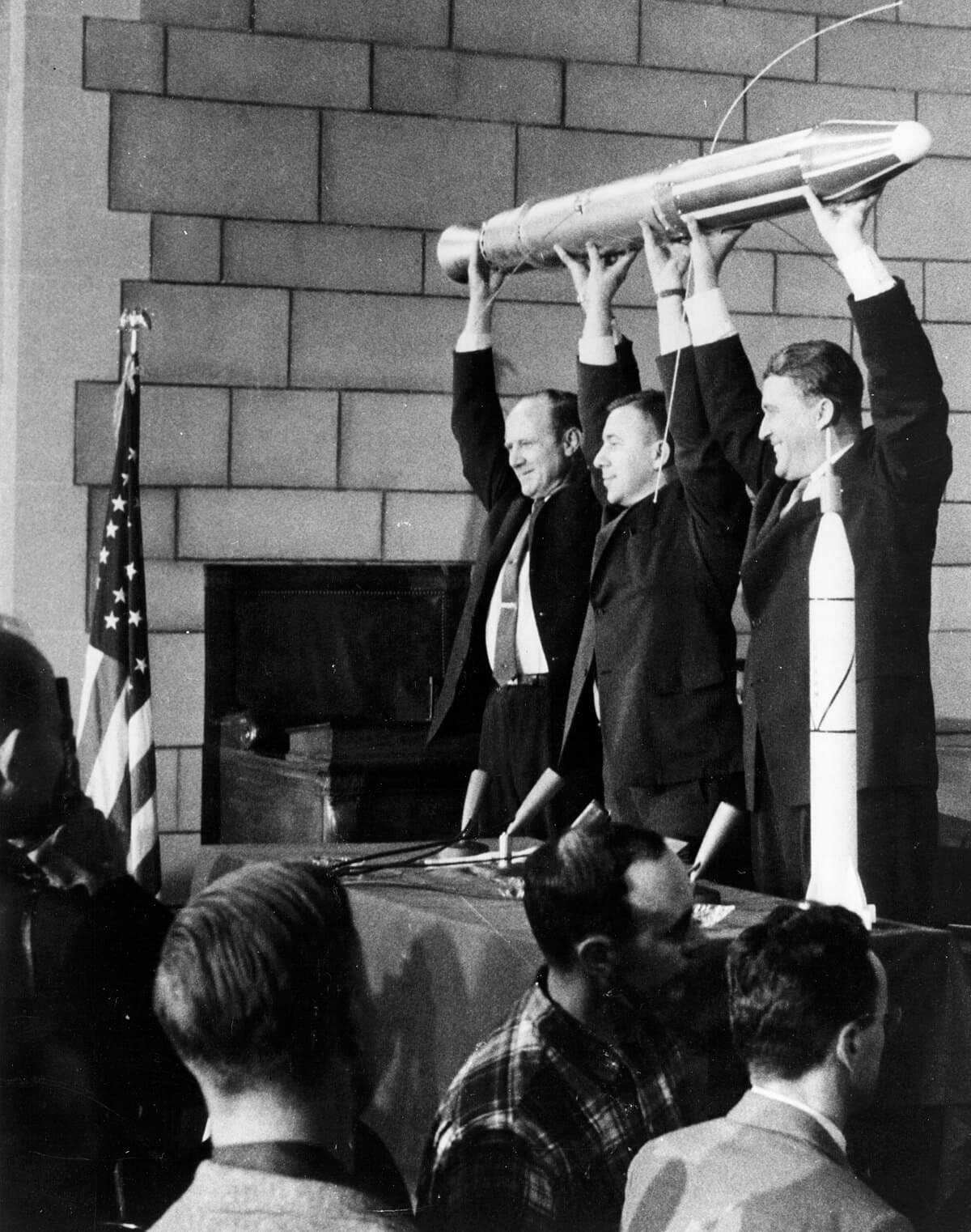
Explorer 1 Reaches Orbit
The United States successfully launched Explorer 1, its first satellite, using a Jupiter-C rocket developed by Wernher von Braun's team. This achievement restored American confidence and discovered the Van Allen radiation belts.
Cape Canaveral
NASA Creation
The United States established the National Aeronautics and Space Administration as a civilian space agency. This organizational shift consolidated American space efforts under a single authority focused on peaceful exploration.
Washington, D.C.
Luna 2 Impacts the Moon
The Soviet Luna 2 probe became the first human-made object to reach another celestial body when it successfully impacted the Moon's surface. This achievement marked another significant Soviet first in space exploration.
Moon
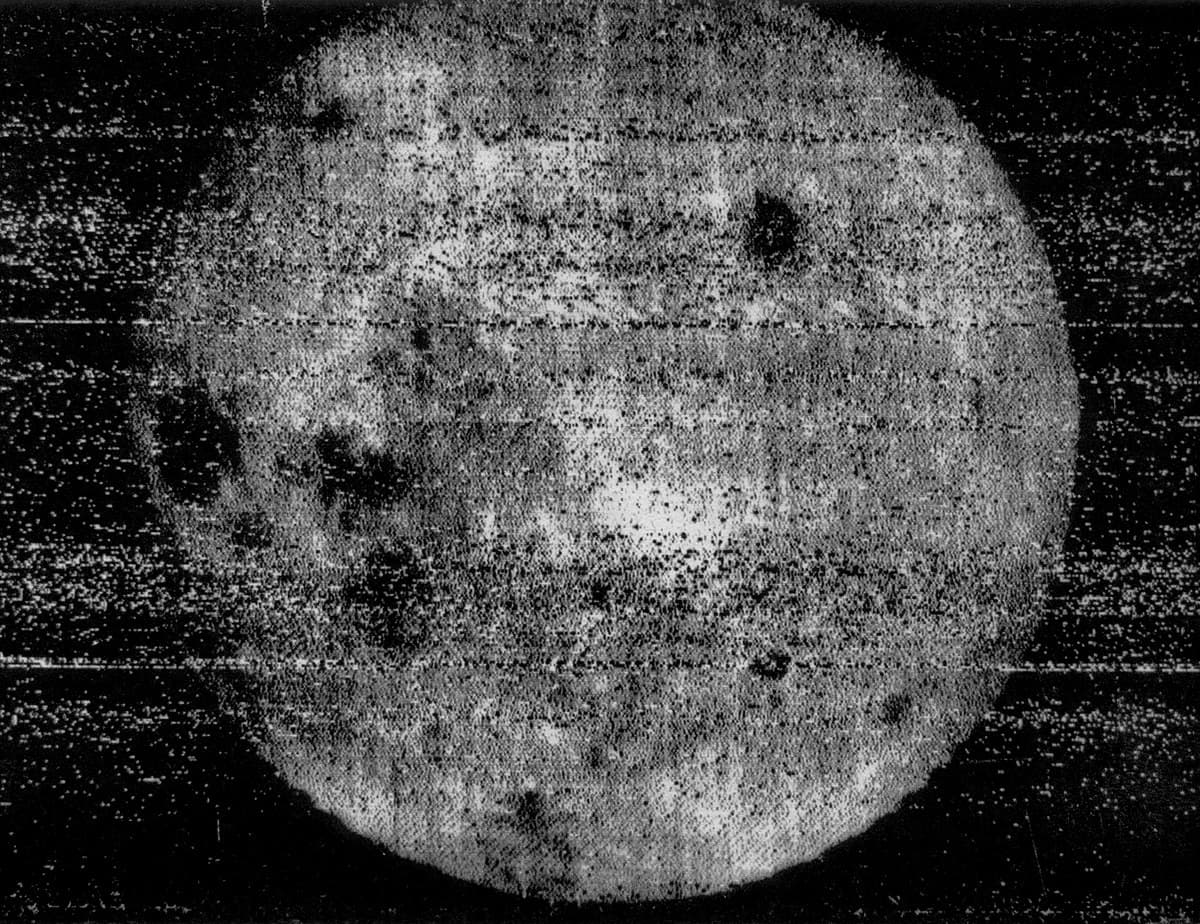
Luna 3 Photographs Moon's Far Side
The Soviet Luna 3 spacecraft transmitted the first photographs of the Moon's far side, revealing terrain never before seen by humans. This mission demonstrated advanced Soviet capabilities in space photography and communications.
Moon orbit
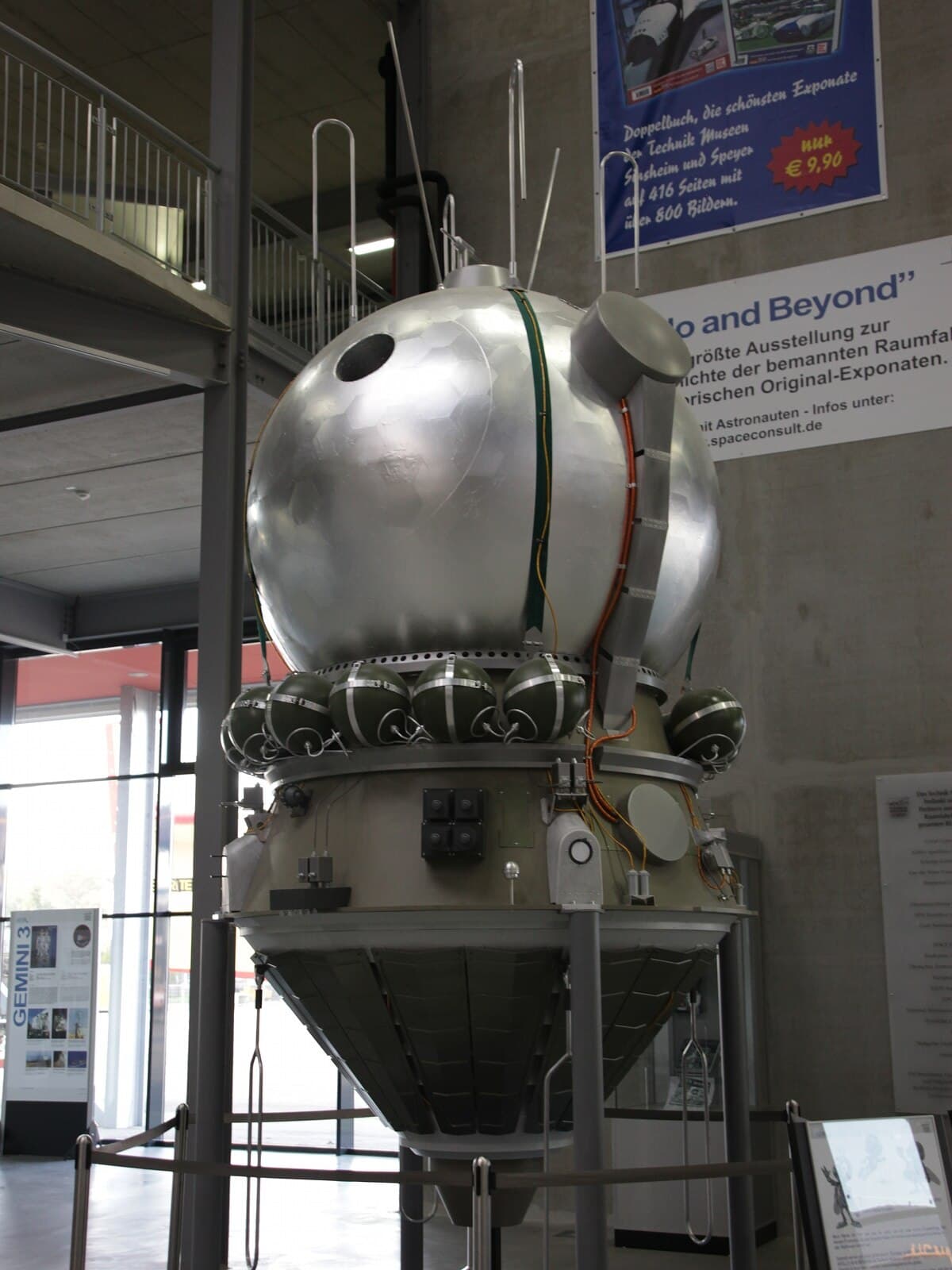
Gagarin's Historic Orbital Flight
Soviet cosmonaut Yuri Gagarin became the first human in space aboard Vostok 1, completing one orbit of Earth. This momentous achievement gave the USSR a commanding lead in the Space Race.
Tyura-Tam
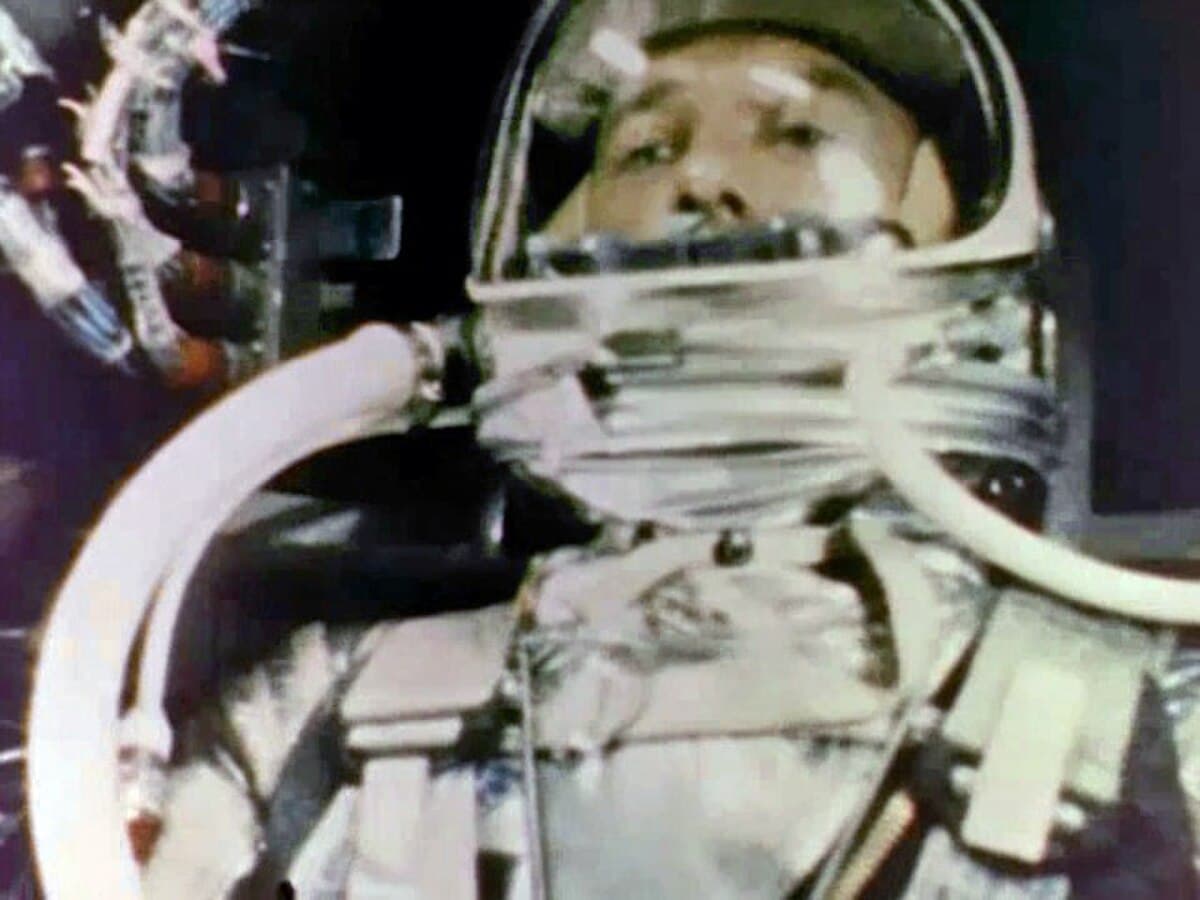
Shepard's Suborbital Flight
Alan Shepard became the first American in space during a 15-minute suborbital flight aboard Mercury-Redstone 3. Though brief and not orbital, the mission provided crucial experience for American human spaceflight.
Cape Canaveral
Kennedy's Moon Landing Challenge
President John F. Kennedy addressed Congress, committing the United States to landing a man on the Moon and returning him safely before the decade's end. This bold goal transformed the Space Race into a focused competition.
Washington, D.C.
Glenn Orbits Earth
John Glenn became the first American to orbit Earth, completing three orbits aboard Friendship 7. This successful mission demonstrated that the United States had achieved reliable human orbital spaceflight capability.
Cape Canaveral
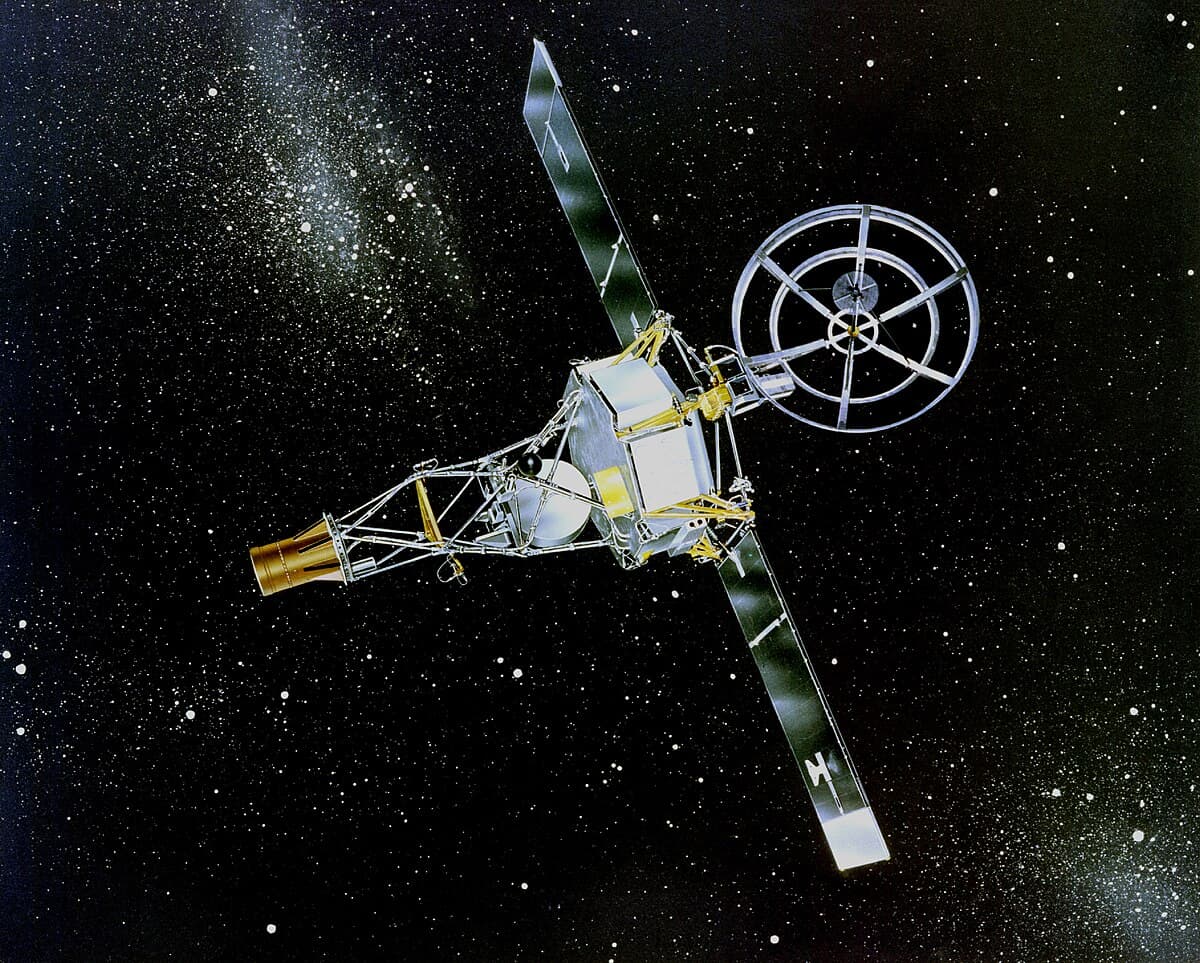
Mariner 2 Venus Flyby
The American Mariner 2 spacecraft successfully flew past Venus, becoming the first probe to encounter another planet. This mission proved the feasibility of interplanetary space exploration.
Venus
First Woman in Space
Soviet cosmonaut Valentina Tereshkova became the first woman to fly in space aboard Vostok 6. Her three-day mission was another Soviet milestone in human spaceflight diversity.
Tyura-Tam
First Spacewalk
Soviet cosmonaut Alexei Leonov performed the first extravehicular activity, spending 12 minutes outside his Voskhod 2 spacecraft. This dangerous maneuver demonstrated yet another Soviet space capability first.
Earth orbit
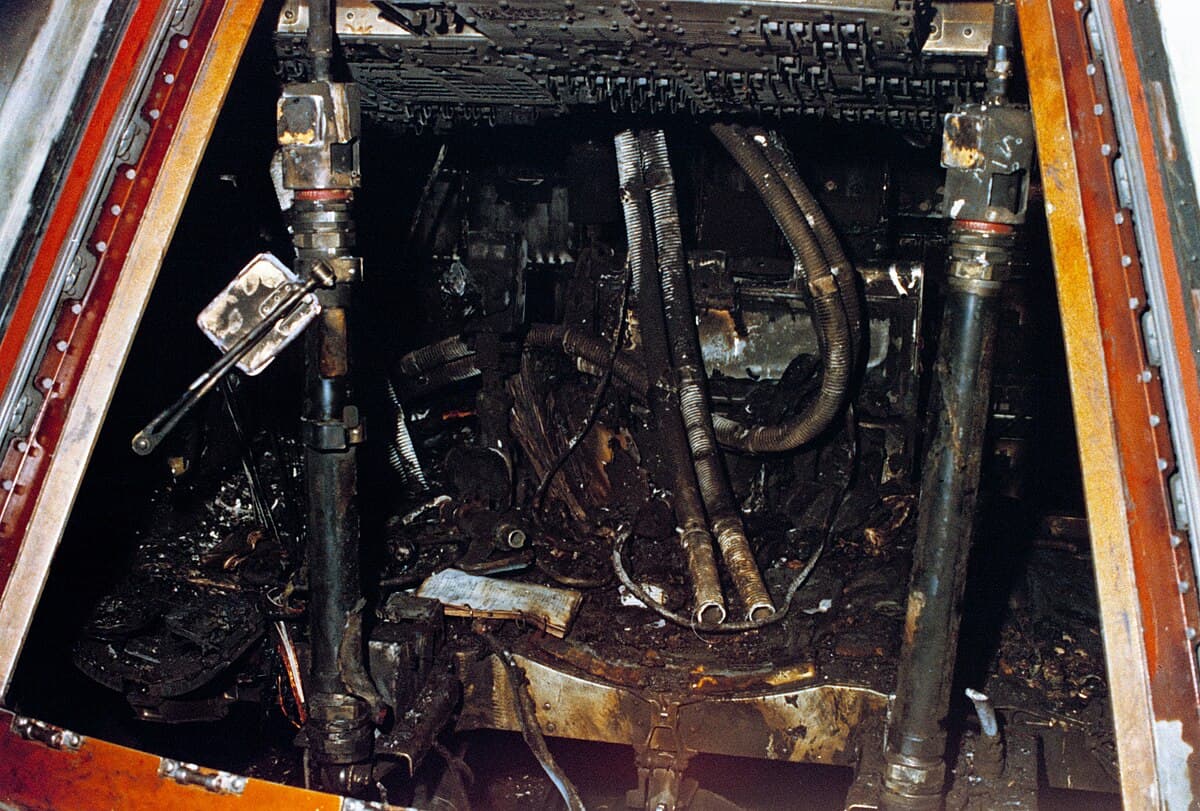
Apollo 1 Fire Tragedy
Three American astronauts died during a launch pad test when fire swept through their Apollo command module. This catastrophe forced a comprehensive redesign and temporarily halted the American Moon program.
Cape Canaveral
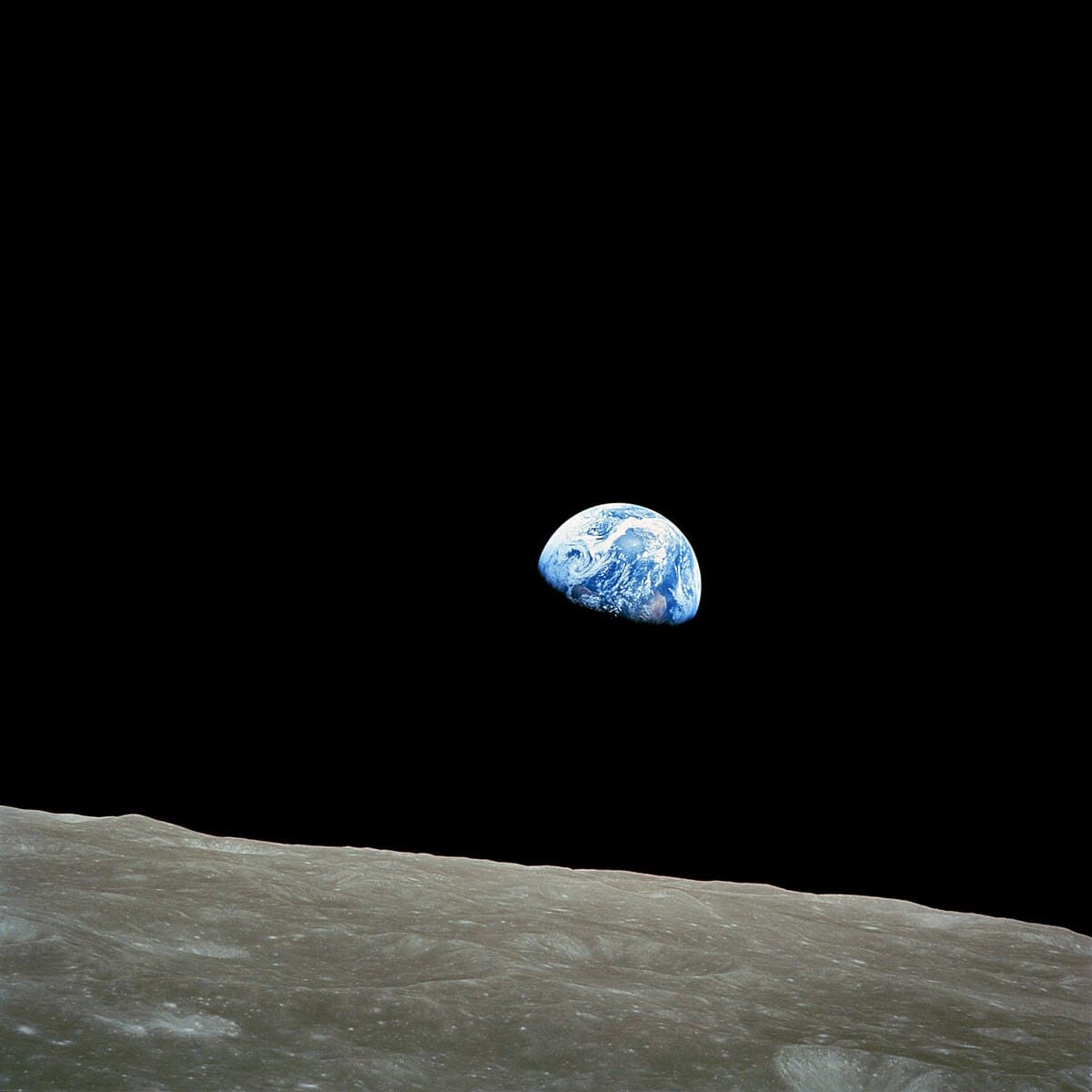
Apollo 8 Lunar Orbit
Apollo 8 astronauts became the first humans to orbit the Moon, viewing and photographing the far side and capturing the iconic Earthrise image. This mission proved critical systems for the upcoming landing attempts.
Moon orbit
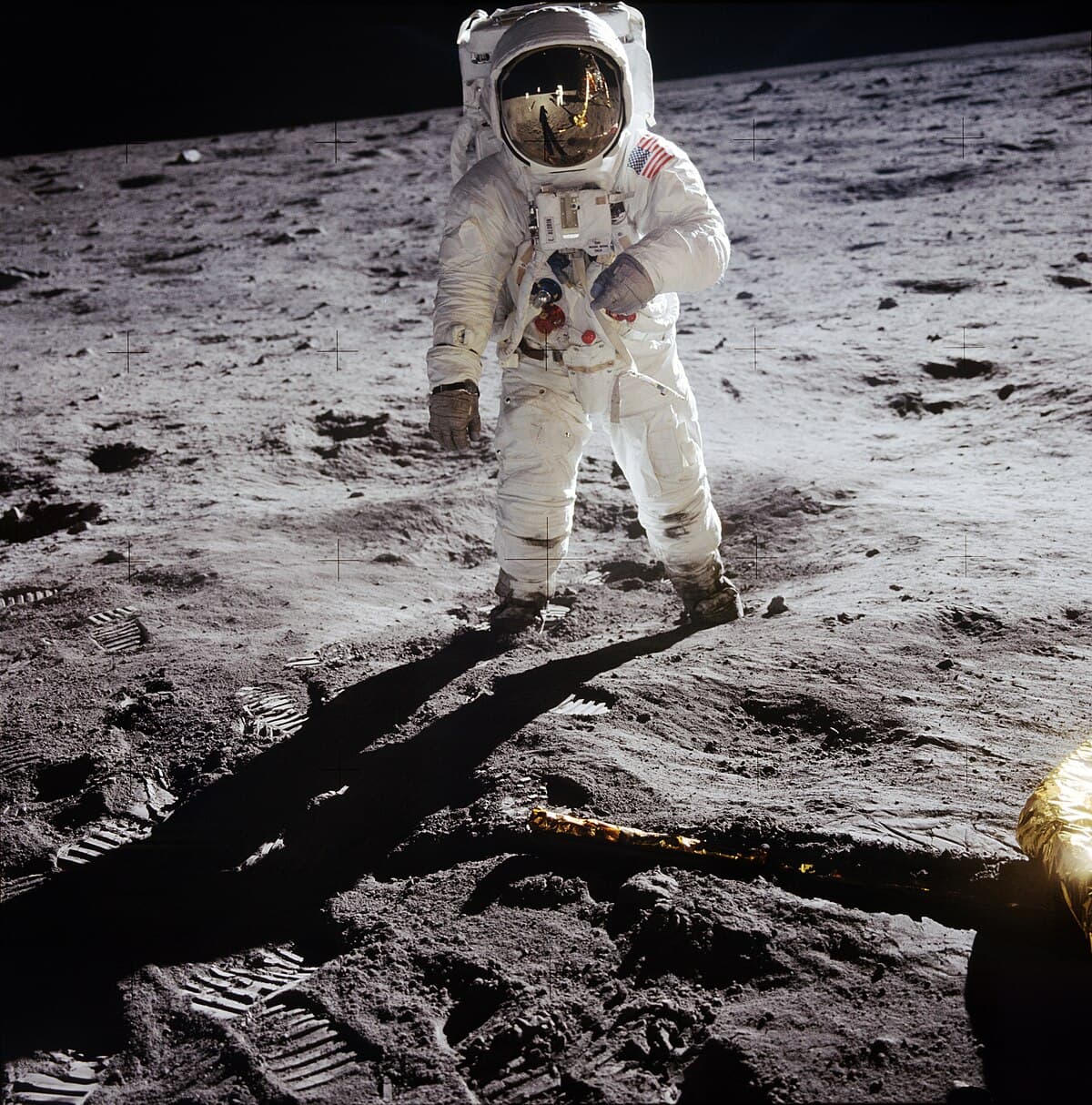
Apollo 11 Moon Landing
Neil Armstrong and Buzz Aldrin became the first humans to walk on the Moon while Michael Collins orbited above. This achievement fulfilled Kennedy's goal and marked America's triumph in the Space Race.
Moon
Apollo-Soyuz Test Project Agreement
The United States and Soviet Union agreed to conduct a joint space mission featuring the docking of American and Soviet spacecraft. This cooperation marked the beginning of détente in space relations.
Moscow
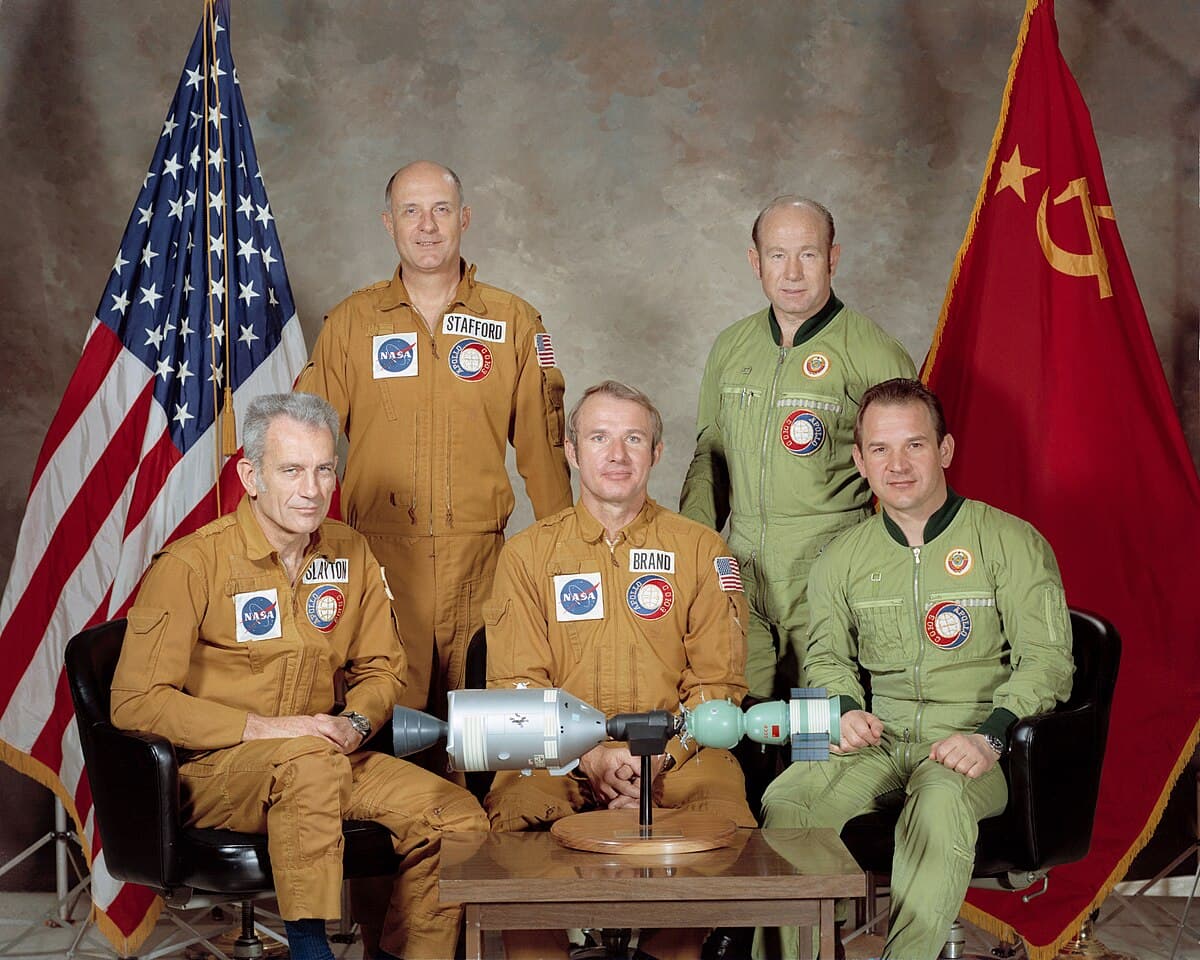
Apollo-Soyuz Docking Mission
American Apollo and Soviet Soyuz spacecraft successfully docked in Earth orbit, with crews conducting joint experiments and exchanges. This historic handshake in space symbolized the end of the competitive Space Race era.
Earth orbit
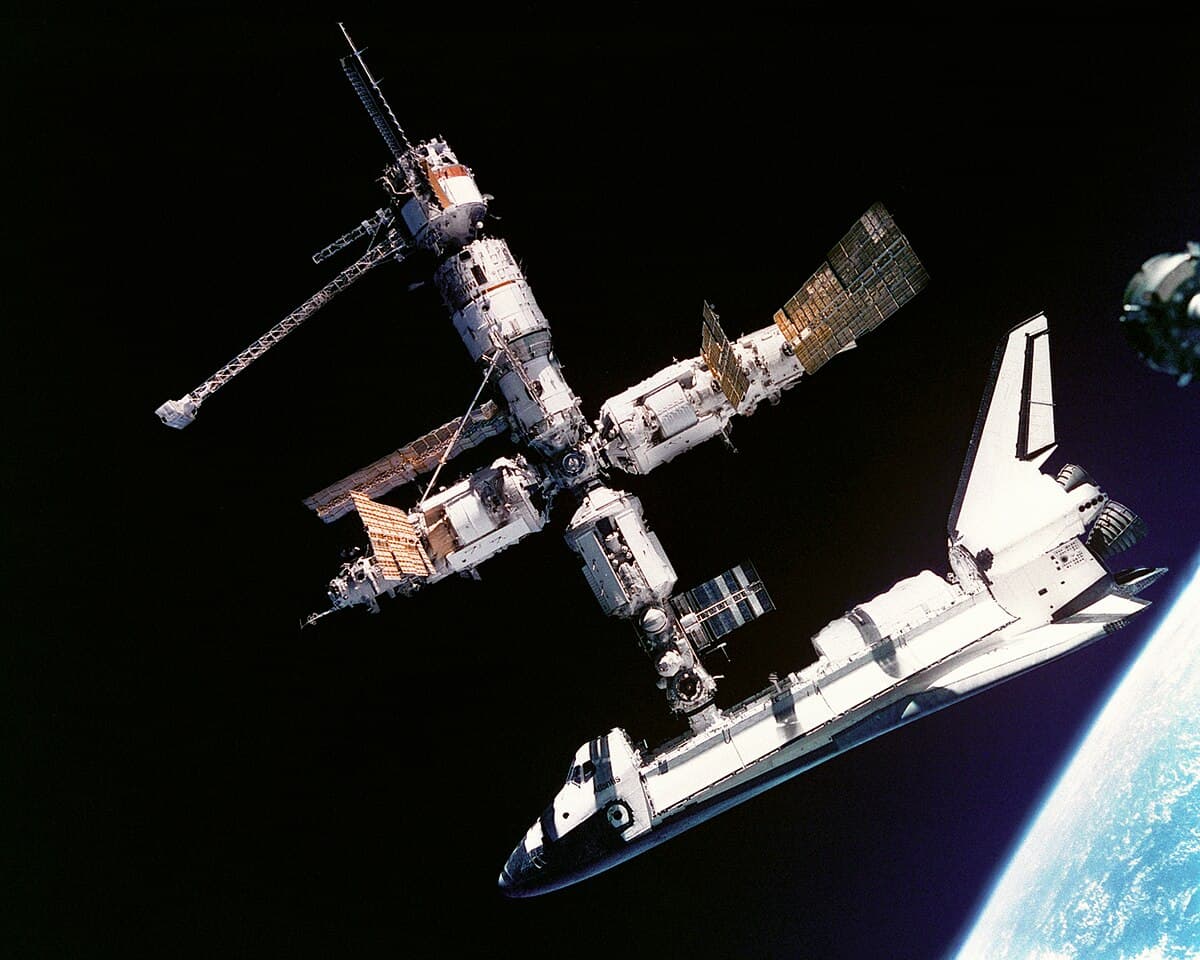
Shuttle-Mir Program Agreement
The United States and newly formed Russian Federation agreed to a cooperative program featuring Space Shuttle visits to the Mir station. This partnership marked the transition from competition to collaboration in space.
Washington, D.C.