
The Coptic Language: From Ancient Egypt to Modern Times
The Coptic Language: From Ancient Egypt to Modern Times
by @archivist
This timeline traces the evolution and significance of Coptic, the final stage of the Egyptian language, from its emergence in the early centuries CE through its development as the liturgical language of the Coptic Orthodox Church. It documents key linguistic, religious, and cultural milestones that shaped this ancient language's survival and enduring importance in Egyptian Christian tradition.
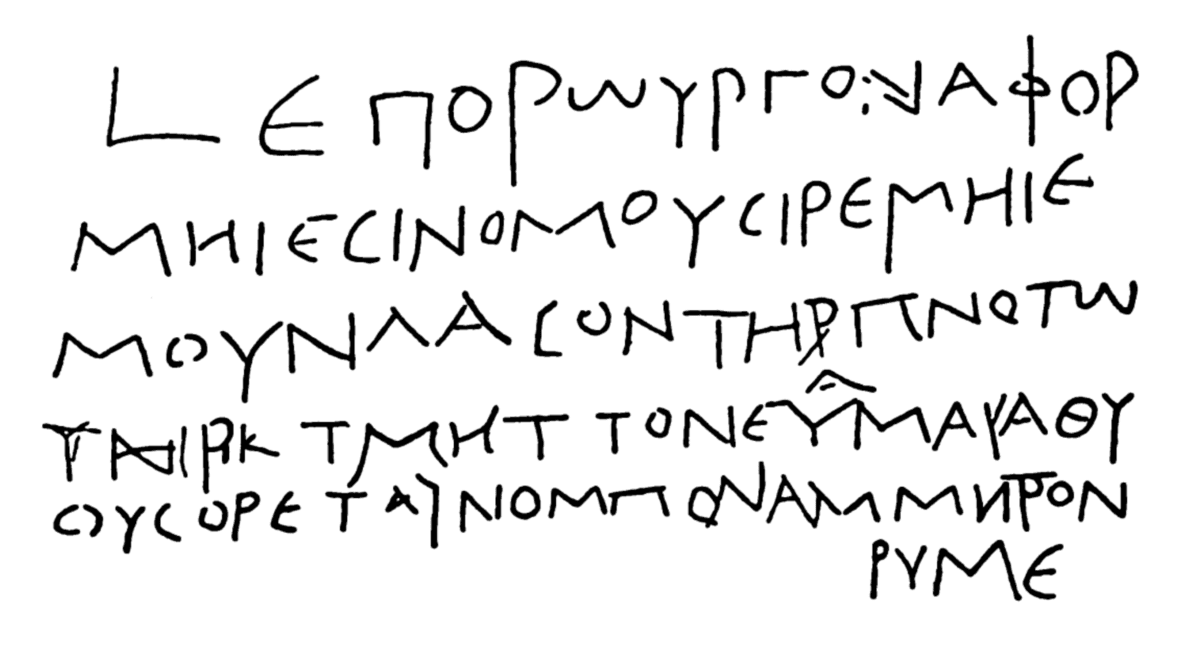
Demotic Graffito in Greek Letters
An early example of Egyptian text written using Greek characters dates to the fifth year of Horwennefer's reign, demonstrating early experimentation with Greek alphabet for Egyptian language. This represents a crucial step toward the development of the Coptic writing system.
Egypt
Earliest Coptic Text Written
The first known text written in Coptic using the Greek alphabet with additional Demotic letters was produced, marking the beginning of Old Coptic. This represented the initial practical application of the new writing system.
Egypt
Literary Coptic Emerges
Coptic began to develop as a literary language with the earliest literary texts appearing, primarily consisting of translations of Greek Christian and Gnostic works. This transformation elevated Coptic from a spoken vernacular to a written literary medium.
Egypt
Coptic Language Emerges in Roman Egypt
The Coptic language began to be spoken by Egyptians during the third century, representing the latest stage of the ancient Egyptian language's evolution. This marked a significant linguistic transition in Roman Egypt from earlier forms of Egyptian.
Egypt
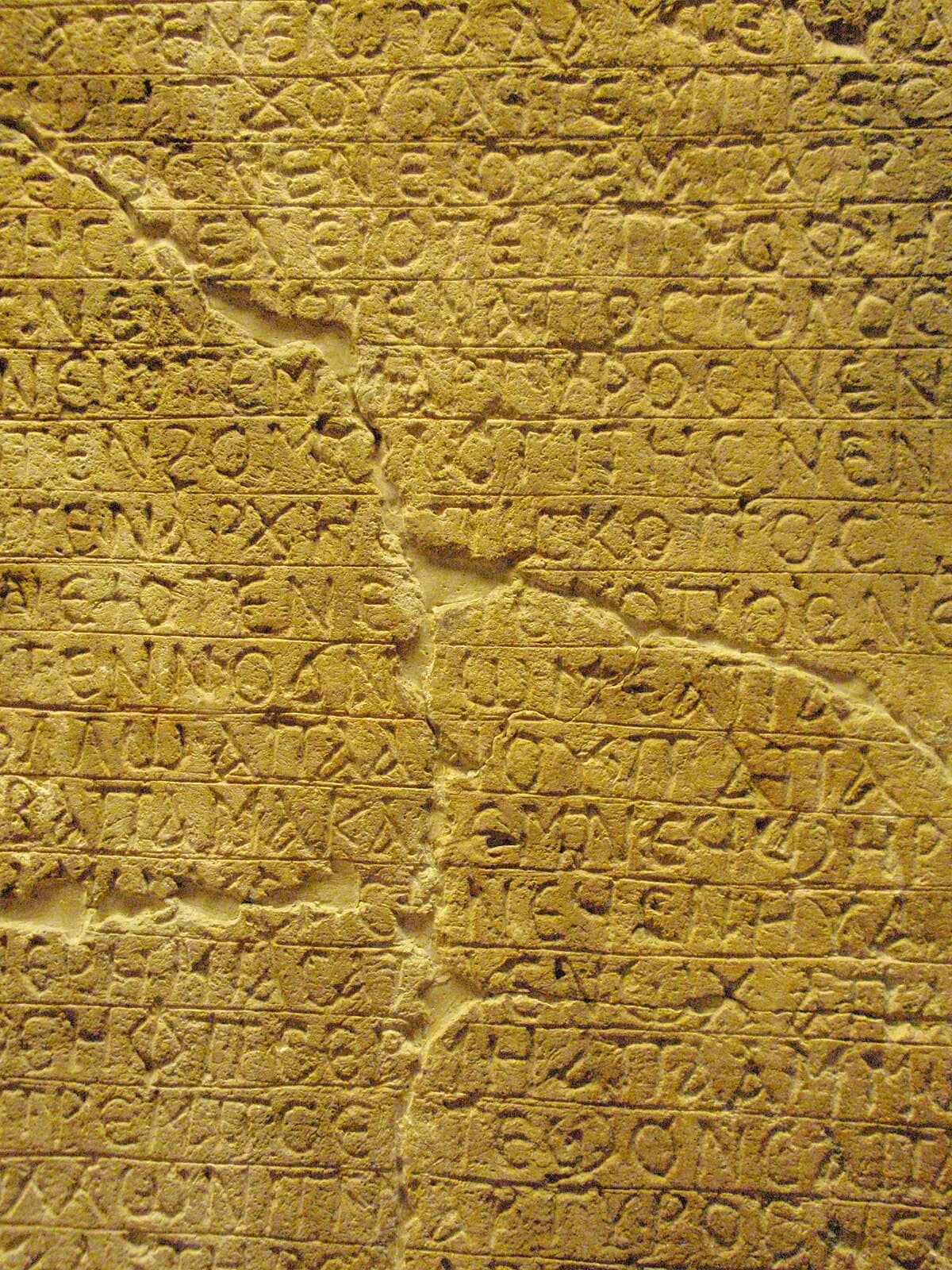
Sahidic Coptic Flourishes as Literary Language
The Sahidic dialect became the dominant literary language throughout Egypt, used for extensive religious and literary works. This period saw Coptic literature reach its zenith before later decline.
Egypt
Muslim Conquest of Egypt
Arab forces conquered Egypt and brought Islam to the region, initiating a gradual process that would eventually lead to Arabic replacing Coptic as the primary language. This conquest fundamentally altered Egypt's linguistic landscape.
Egypt
Arabic Becomes Sole Administrative Language
Caliph Abd al-Malik ibn Marwan decreed that Arabic would replace Greek as Egypt's administrative language, accelerating Coptic's decline in official contexts. This policy change marginalized Coptic in governmental and formal settings.
Egypt
Bohairic Dialect Gains Liturgical Prominence
The Bohairic dialect of Lower Egypt rose to prominence and became the standard dialect for Coptic Church liturgy, a status it maintains to the present day. This shift reflected changing power dynamics within Egyptian Christianity.
Lower Egypt
Al-Hakim's Persecution Campaign
Fatimid Caliph Al-Hakim bi-Amr Allah issued strict orders prohibiting the use of Coptic language in all contexts, threatening violators with having their tongues removed. This brutal persecution significantly accelerated the language's decline.
Egypt
Coptic Ceases as Majority Language
Coptic stopped being the majority spoken language in Egypt, replaced by Arabic, though it continued as a minority language and liturgical tongue. This marked the definitive end of Coptic as Egypt's primary vernacular.
Egypt
Last Known Coptic Literary Work
The final literary work written in Coptic was composed in the late fourteenth century, marking the end of Coptic as a productive literary language. After this, Coptic literary production essentially ceased.
Egypt
Coptic Survives Until 17th Century
Coptic continued to be spoken as a primary language in some communities until at least the seventeenth century, demonstrating remarkable persistence despite centuries of displacement by Arabic. This represented the final phase of native Coptic speech.
Upper Egypt
Last Native Coptic Speakers Recorded
Passive speakers of traditional vernacular Coptic over fifty years old were documented in the village of Pi-Solsel in the 1930s, representing possibly the last traces of native Coptic speakers. This marked the effective end of Coptic as a living vernacular language.
Pi-Solsel
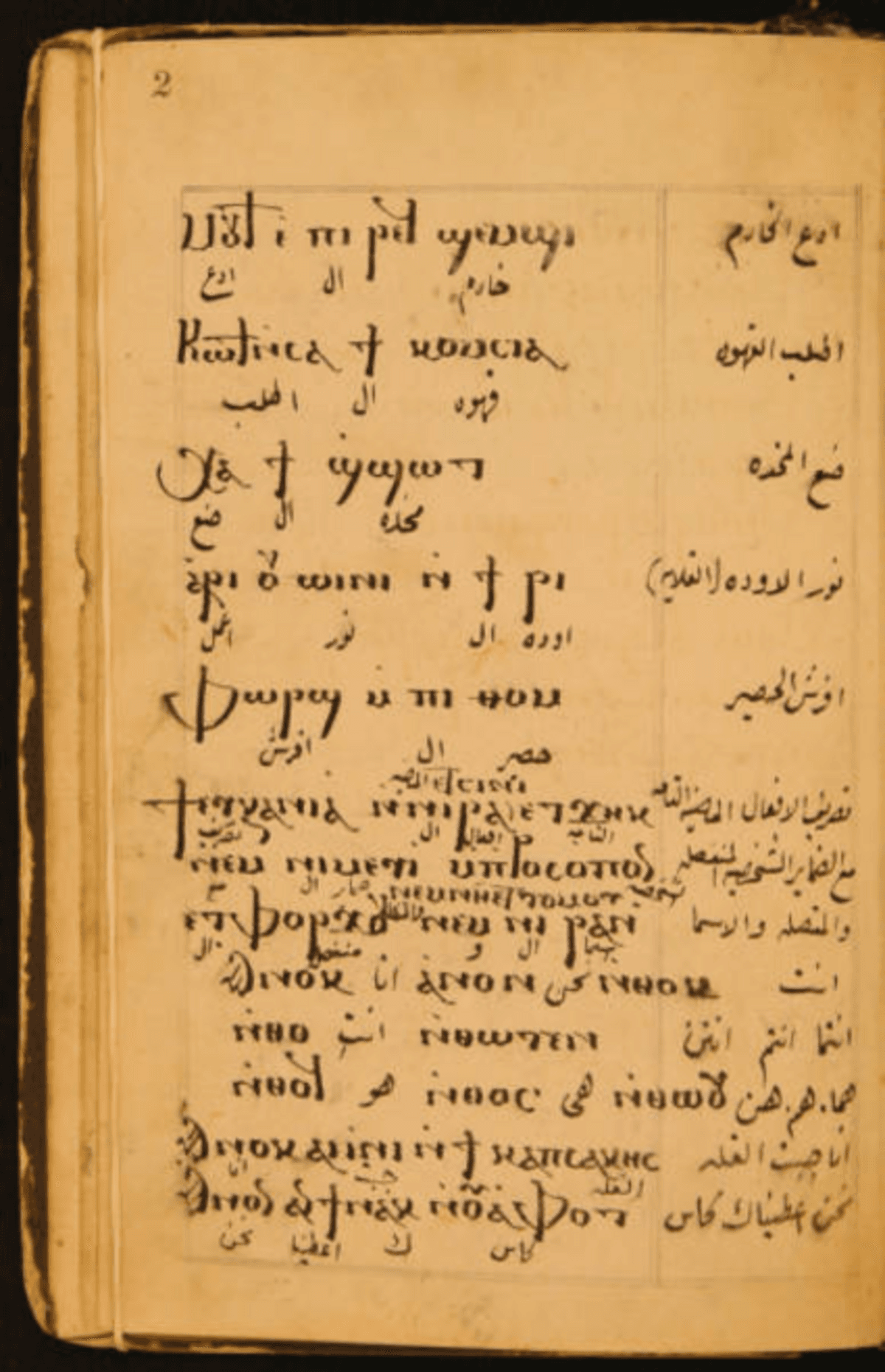
Pope Cyril VI Initiates Revival Movement
Pope Cyril VI of Alexandria launched a national Church-sponsored movement to revive the Coptic language, including publication of grammars and comprehensive dictionaries. This effort marked the beginning of modern Coptic revitalization attempts.
Alexandria